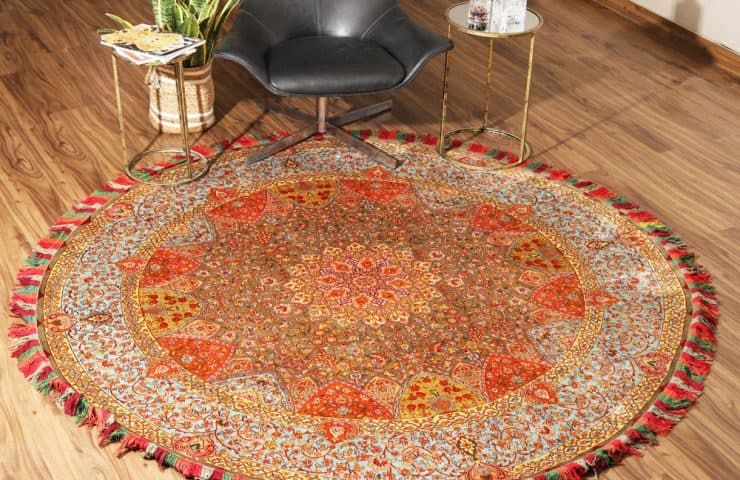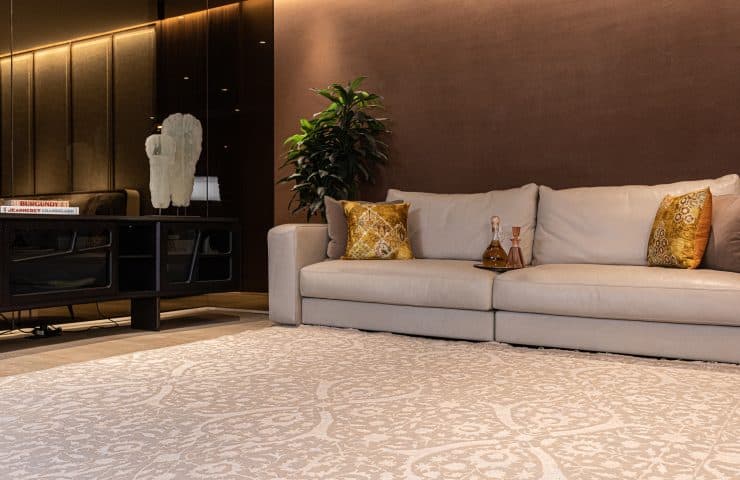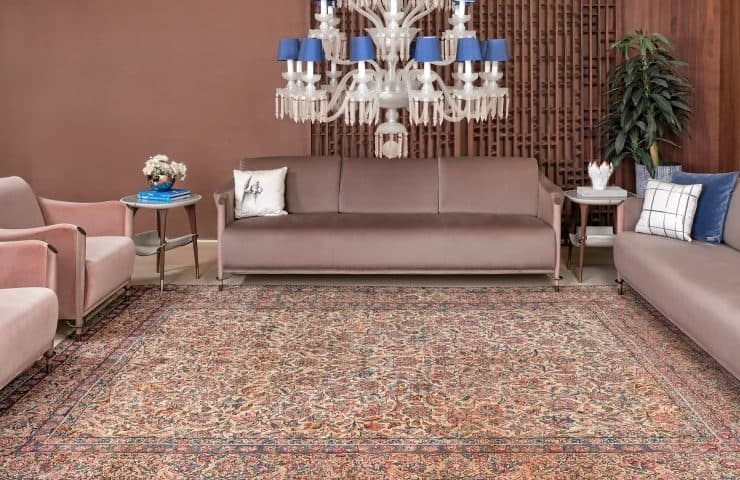
Unlike most furnishings, a good vintage rug tends to appreciate rather than depreciate. Hand-knotted pieces from established weaving regions are finite by nature — no two are identical, and the workshops that produced the best 20th-century examples are, in many cases, no longer active.
That scarcity is compounded by wear that actually adds value: a slightly faded vintage rug with soft, sun-mellowed colour is often more sought-after than a pristine equivalent, in the same way a well-worn leather jacket reads better than a new one.
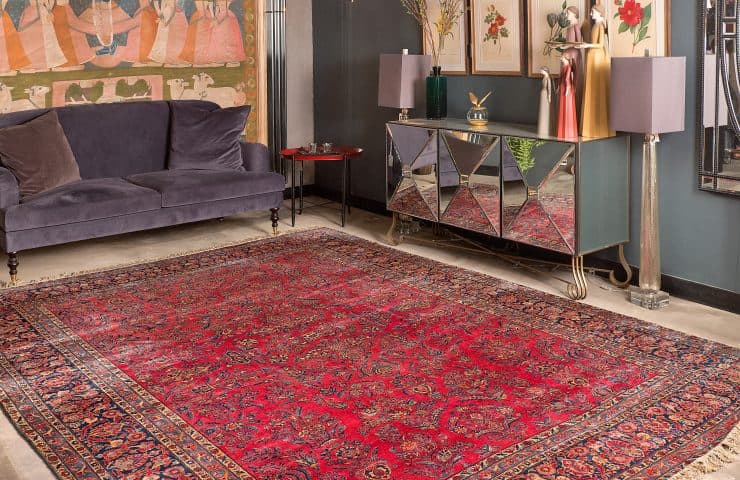
What to look for before buying
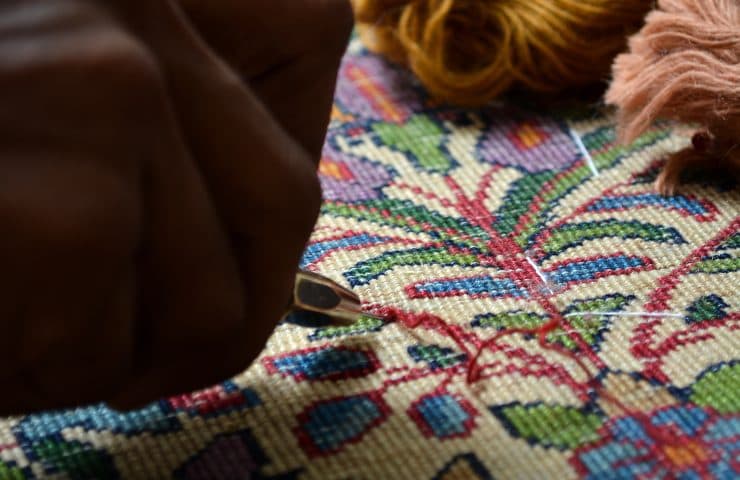
Condition still matters at the structural level — check the foundation isn't dry-rotting and the fringe hasn't been over-repaired. Beyond that, provenance (region, workshop, age) is what separates a genuine investment piece from a merely old rug.