Long before carpets were sold in showrooms, they were made out of necessity — by nomadic and village weavers who needed warmth, floor covering, and a way to carry their belongings across seasonal migrations. The loom went where the family went.
Pattern as memory
Early motifs weren't decorative choices in the way we think of them today — they were tribal signatures, passed from mother to daughter, encoding a weaver's region, clan and even her marital status into the geometry of the rug.
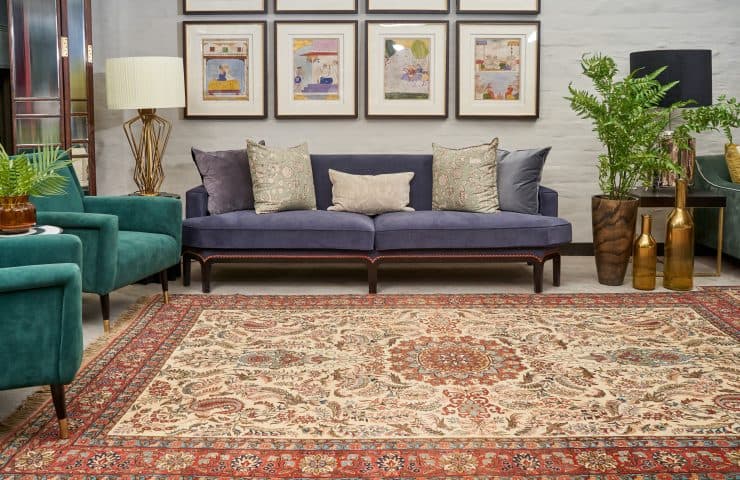
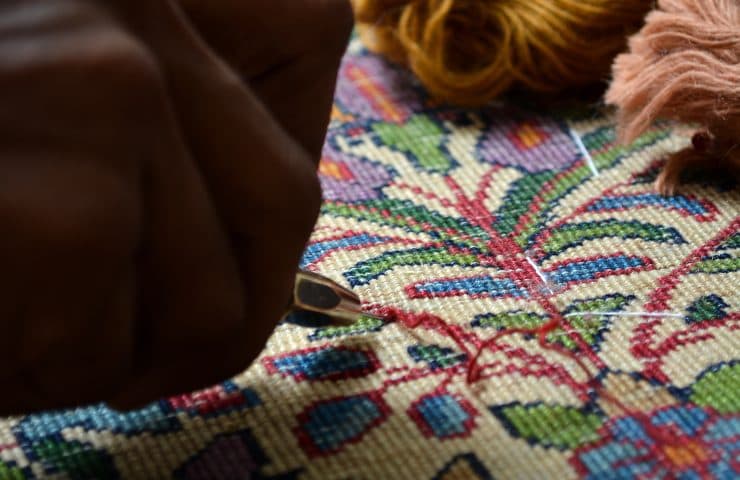
That origin still shapes how we read a handmade rug today: the small irregularities, the slight asymmetries, are not flaws. They're the fingerprint of a single weaver working without a printed template, and they're exactly what a machine-made rug can't replicate.