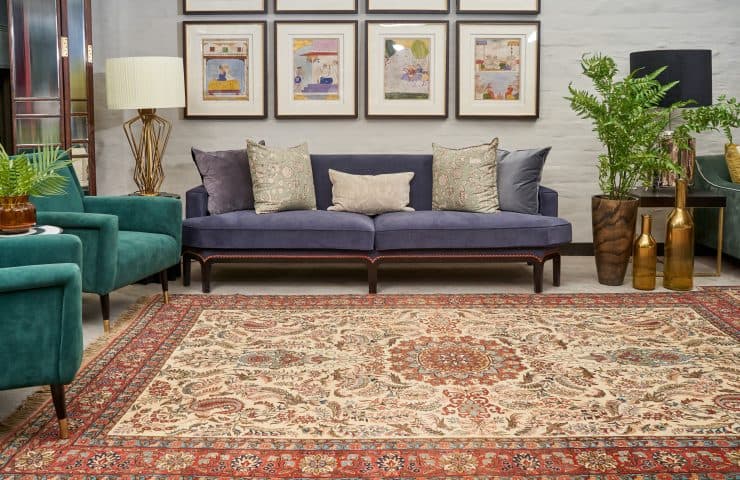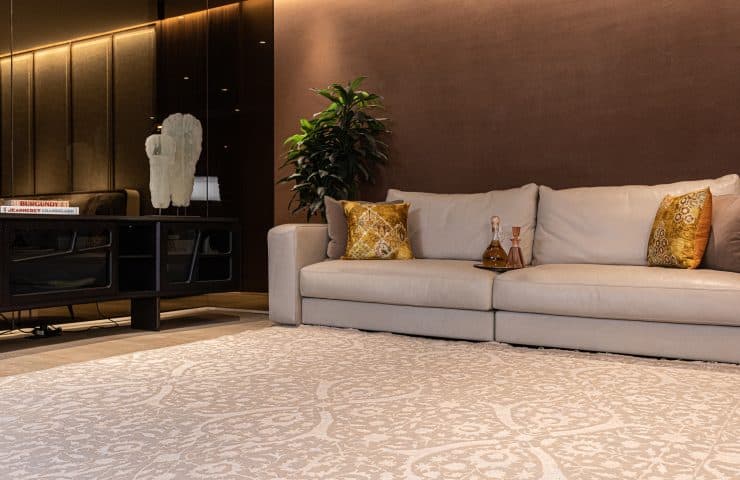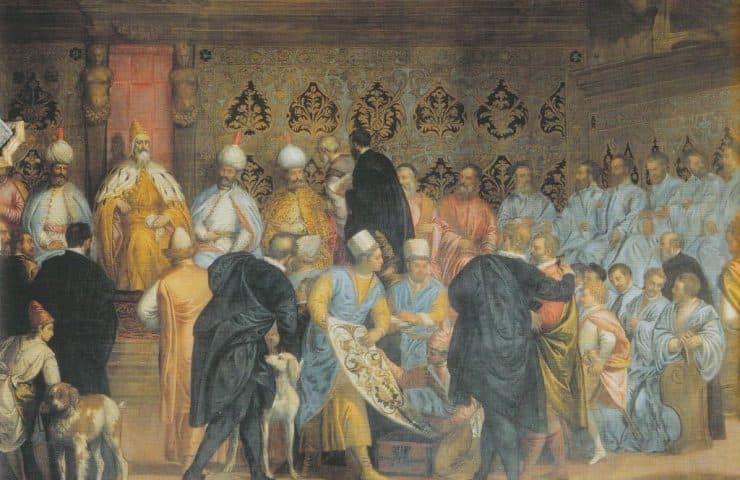
Carpet weaving as we know it owes an enormous debt to the Safavid Empire, whose 16th-century shahs turned rug-making from a nomadic craft into a royal industry. Court workshops in Isfahan and Kashan produced pieces so fine that some now hang in museums rather than on floors.
Those court carpets were never meant for ordinary homes — they were diplomatic gifts, palace furnishings, and statements of imperial wealth, woven with silk foundations and thousands of knots per square inch.
How a royal craft became a household one
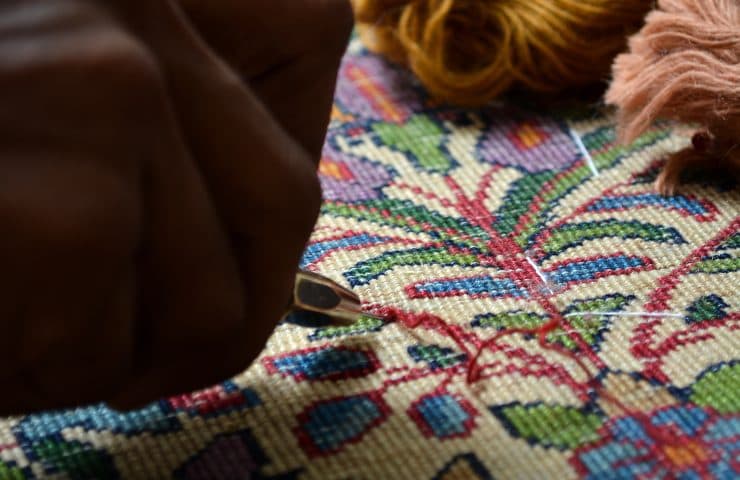
It took centuries — and the rise of regional weaving cooperatives — for that same craftsmanship to reach individual homes. Today's hand-knotted rugs still carry the DNA of those royal workshops: the medallion layouts, the density of knotting, the patience required to finish a single piece.