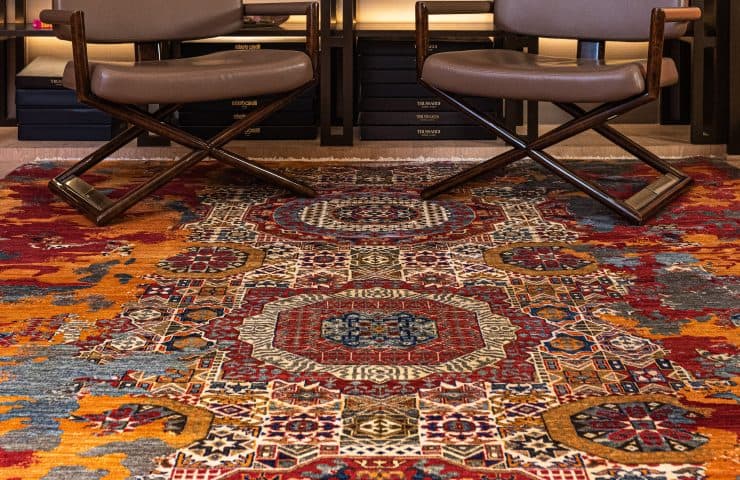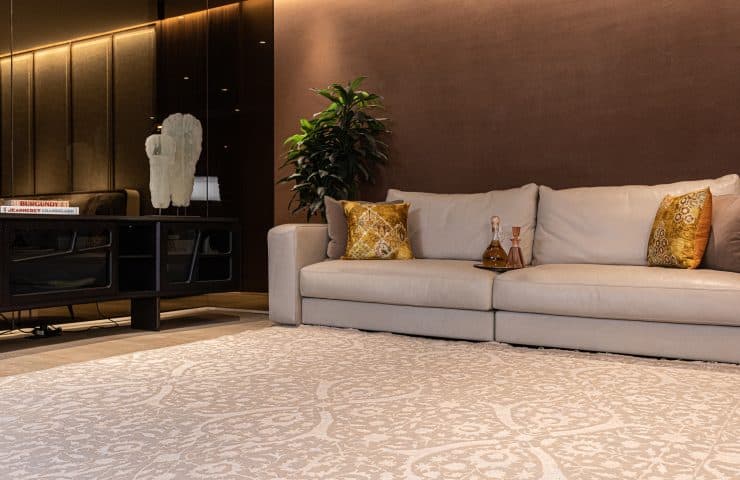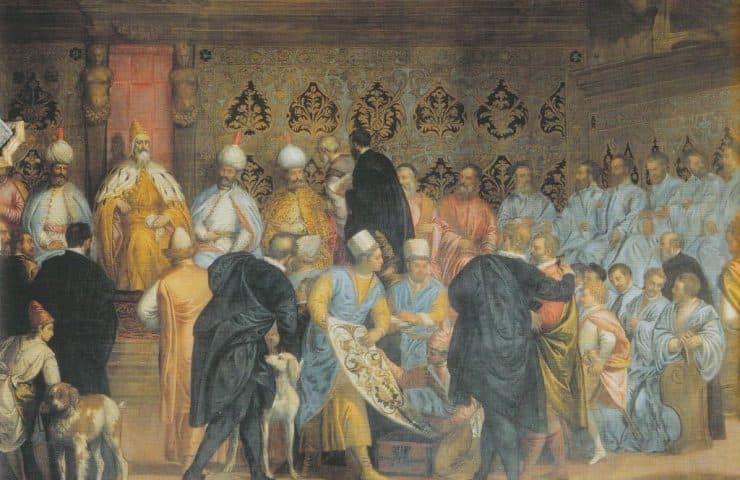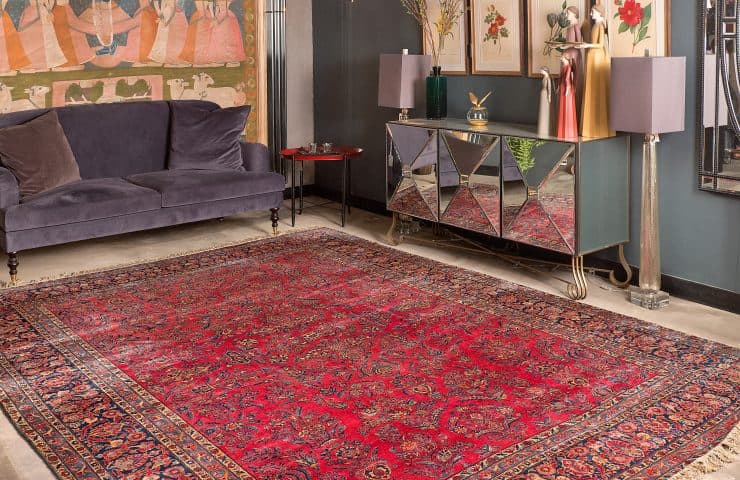
Ask most rug specialists what makes a Persian rug different from any other handmade carpet, and the answer usually starts with regional specificity: a Kashan piece, a Saroukh piece and a Qum piece are each recognisable on sight, because each town's weavers guard their own design vocabulary.
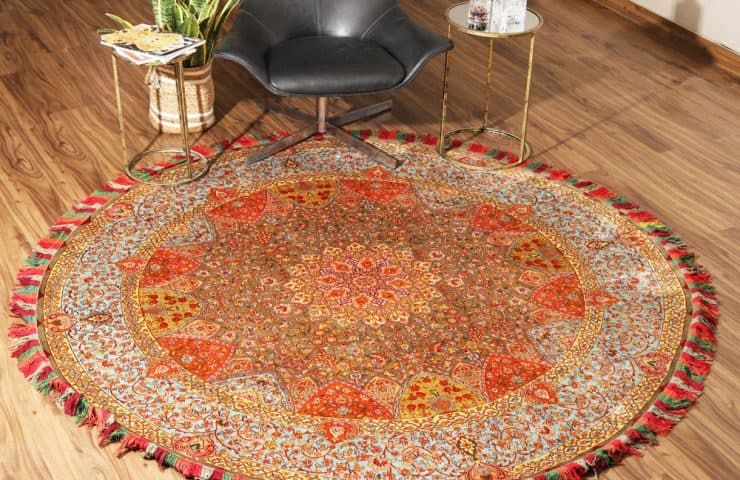
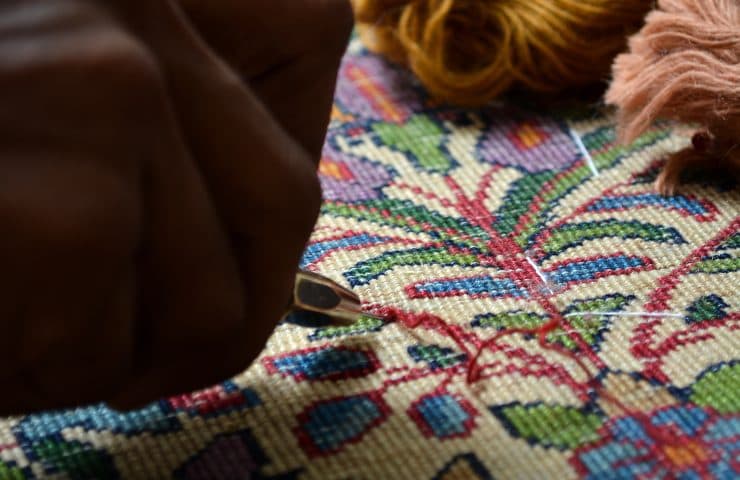
The Guldasta motif
This piece carries a Guldasta, or 'bouquet', pattern — repeating clusters of flowers set within a structured field, a Kashan speciality that's been woven with only minor variation for well over a century.
What ultimately sets Persian rugs apart, though, is the combination: hand-spun wool, vegetable dyes that mellow gracefully with age, and knot counts high enough to render fine botanical detail that machine looms simply can't reproduce with the same depth.