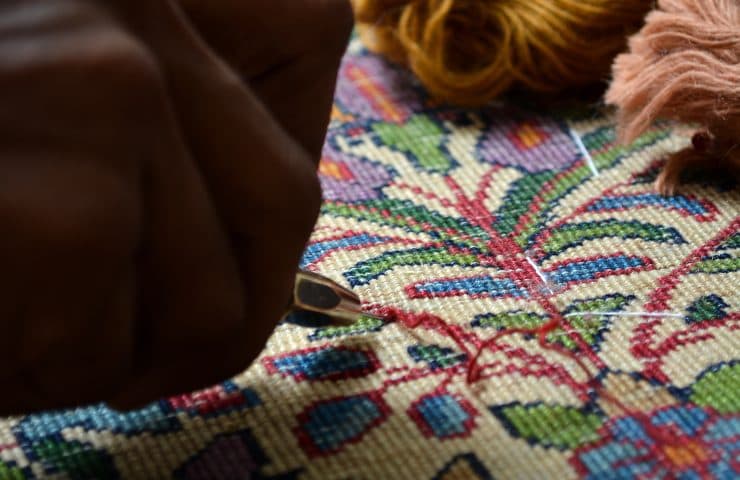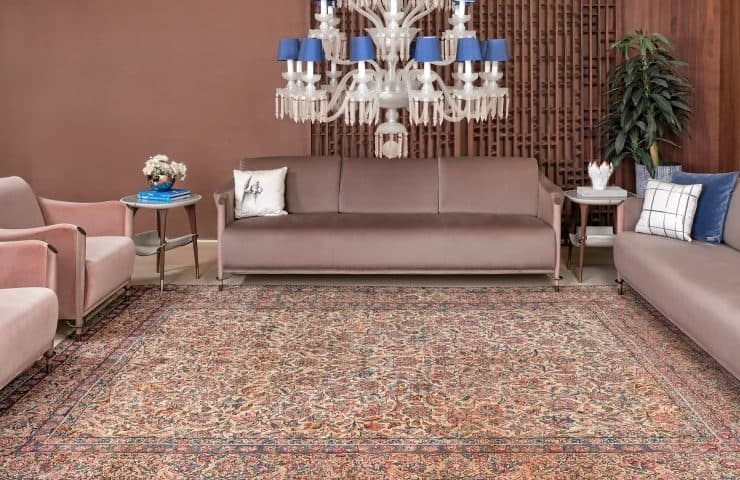
It's the question almost every first-time rug buyer eventually asks: buy new, or buy antique? Neither answer is universally right — a new rug and a genuine antique solve different problems, and the better choice usually comes down to what you actually want the piece to do in your home.
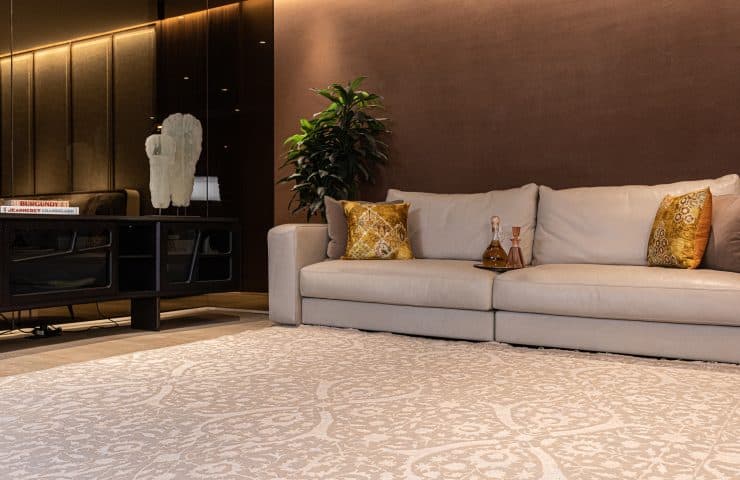
The case for a new rug
A newly made hand-knotted rug gives you control an antique simply can't: exact size, a colour palette matched to your room, and a pile that hasn't absorbed decades of wear. If you have a specific gap to fill — a precise dining-room footprint, a colour scheme already set by your walls and furniture — new is almost always the easier route.
New pieces are also the practical choice for high-traffic rooms. You get full pile height and structural integrity from day one, which matters if the rug is going under a dining table or in an entryway rather than a lightly used formal room.
The case for an antique
An antique rug brings something a new one can't fake: genuine patina. The slightly uneven, sun-softened colour of a piece that's spent decades in real rooms has a depth that even the best artificial-ageing techniques only approximate. For a room built around one statement piece, that character is often the entire point.

Antiques are also finite. The workshops and weavers behind the best 19th- and early-20th-century pieces are gone, so an antique in good condition tends to hold its value — and in some cases appreciate — in a way a new production rug generally doesn't.
How to actually decide
If you need an exact size, a specific colour match, or a rug for a hard-wearing room, go new. If you're building a room around one characterful piece and you're comfortable with the sizing and colour options that happen to be available, an antique is worth the search. Either way, buy from someone who can tell you the piece's material, origin and — for an antique — its condition honestly, since that's what actually separates a good rug from a merely old or merely new one.